Glacier Hiking in Iceland: A Complete Beginner's Guide
Published
Never strapped on crampons before? Iceland's glaciers are more accessible than you think. Here's everything you need to know before you go.

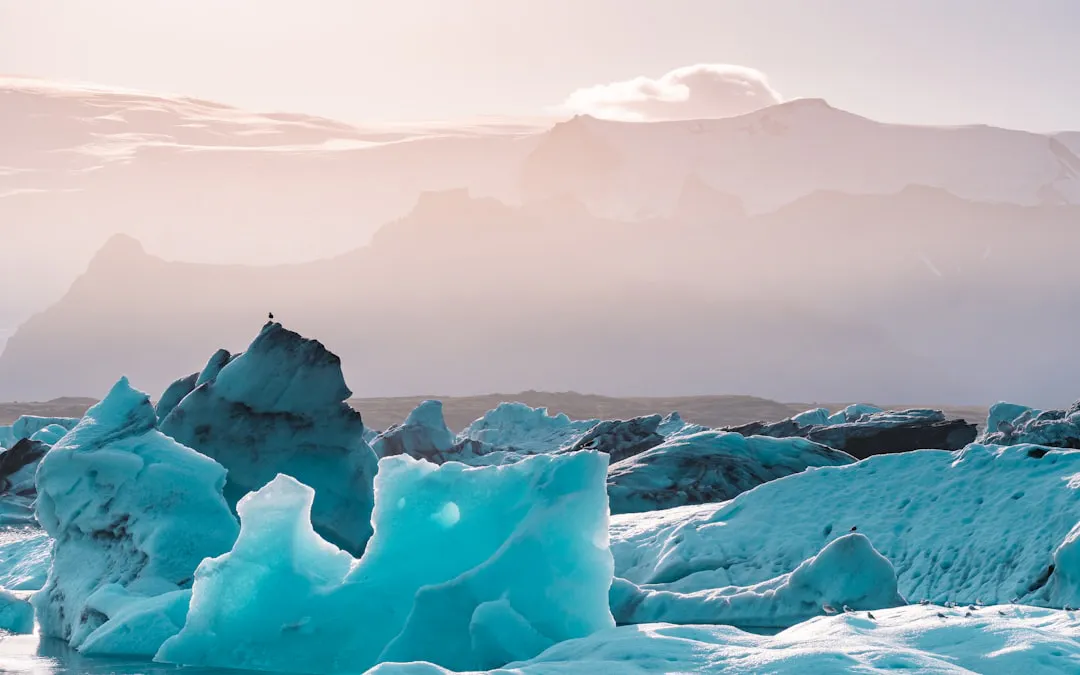
I'll be honest — the first time I stepped onto a glacier, I was convinced I'd spend most of the day on my backside. I didn't. Within twenty minutes, crampons locked onto the ice, I was walking with more confidence than I expected, and the world around me had turned into something I genuinely didn't have words for. Shades of blue I'd never seen before. Ice that's been building for hundreds of years, right under my boots.
Glacier hiking is one of those experiences that sounds intimidating but is actually one of the most accessible adventures Iceland offers — even for complete beginners. Here's what you need to know before you book.
You Don't Need Experience — But You Do Need a Guide
This is non-negotiable: you must go with a certified guide. Iceland's glaciers are dynamic environments with crevasses, unstable ice, and rapidly changing conditions. Walking onto a glacier alone — even a short distance — is genuinely dangerous, and it's also prohibited in most areas without a guide.
The good news is that guided glacier hikes are widely available and brilliantly organised. Most tours provide all the specialist equipment you'll need, including crampons, helmets, and ice axes. You show up in decent outdoor clothing and sturdy waterproof boots, and your guide handles the rest.
Related experiences


Which Glacier Should You Go To?
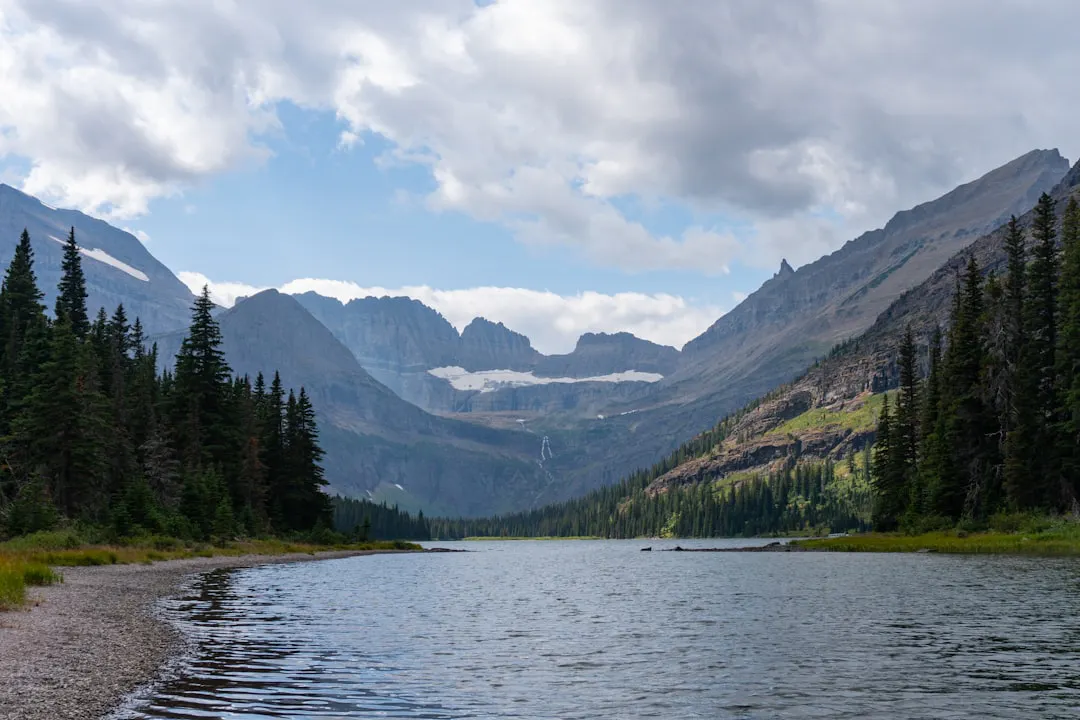
Iceland has several glaciers that are popular for hiking, each with a slightly different character.
Sólheimajökull
This glacier tongue in South Iceland is one of the most visited for hiking, and for good reason. It's easily accessible from the Ring Road, sitting roughly two hours east of Reykjavík. Sólheimajökull is an outlet glacier of the larger Mýrdalsjökull ice cap, and its surface is a striking mix of white ice, dark volcanic ash, and those deep blue crevasses that make for unforgettable photos. This is where most beginner half-day hikes take place.
Skaftafell (Vatnajökull)
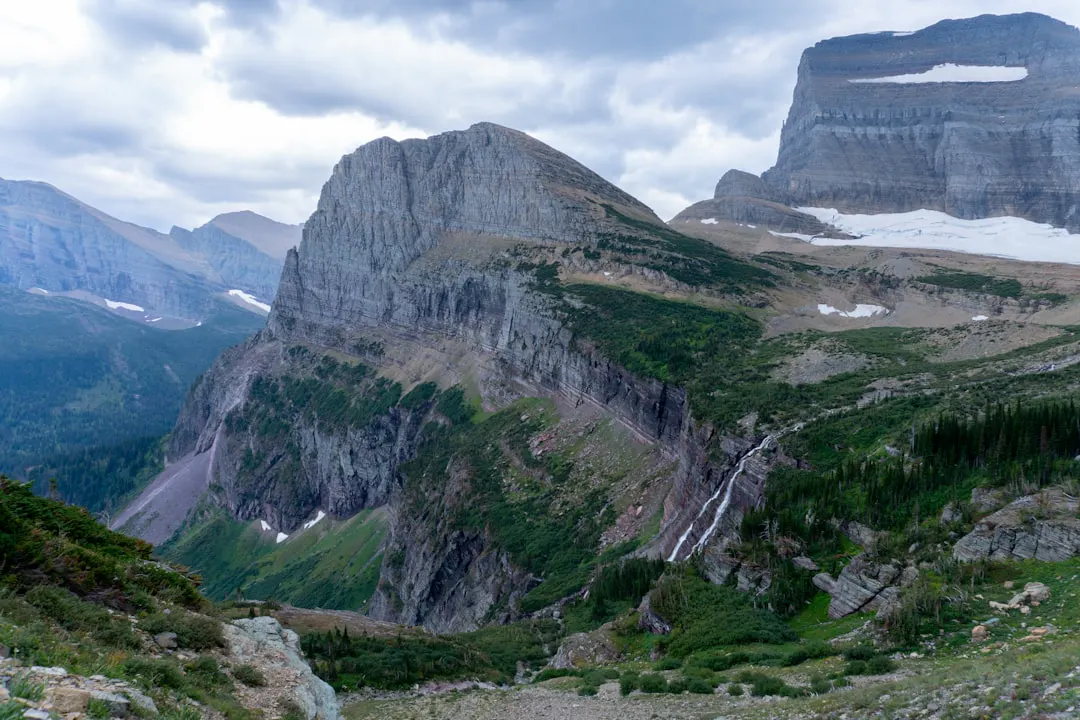
Inside Vatnajökull National Park, the Skaftafell area gives access to outlet glaciers of Vatnajökull — Europe's largest glacier by volume. Skaftafellsjökull and Svínafellsjökull are both popular for guided hikes here. The scenery is on another scale entirely, framed by dramatic mountain ridges. It's a longer drive from Reykjavík (around four hours), but many visitors combine it with a stop at Jökulsárlón glacier lagoon nearby.
Snæfellsjökull
If you're exploring the Snæfellsnes Peninsula, Snæfellsjökull glacier — famously the entry point in Jules Verne's *Journey to the Centre of the Earth* — offers guided summit hikes. It's a different experience to South Iceland glaciers, combining volcanic crater landscapes with glacier terrain.
What to Wear and Bring
Layering is everything. Iceland's weather shifts quickly, and glacier environments are colder and windier than the car park will suggest. A good base layer, a warm mid-layer, and a waterproof outer shell are the foundation. Warm gloves and a hat are worth packing even in summer.
Most tours will specify footwear requirements — generally, sturdy waterproof hiking boots with ankle support. Trainers won't cut it, and sandals are obviously out. Your guide will fit crampons over your boots at the glacier, so don't worry about those.
Sunglasses matter more than people expect. Ice reflects UV light intensely, and glacier glare on a bright day is real. A water bottle, snacks, and a camera with a secure strap round out the essentials.
When Is the Best Time to Go?
You can hike Iceland's glaciers year-round, which is one of the things that makes them so special. Summer (June to August) offers the longest daylight hours and mildest temperatures, making it the most comfortable time for beginners. Trails and tours are busiest during these months, so booking ahead is wise.
Winter and early spring bring a different atmosphere entirely — lower light, fewer crowds, and the possibility of seeing the northern lights on the drive home. Ice cave tours within the glaciers are typically only available from around November to March, when the ice is stable enough to enter safely. If that's on your list, plan your trip accordingly.
What a Typical Beginner Hike Looks Like
Most introductory glacier hikes run for around three hours in total, including the walk to the glacier's edge and the guided hike on the ice. Your guide will teach you how to walk in crampons — it's a slightly wider stance than usual, deliberate and flat-footed — and will lead you through areas of the glacier suited to the group's ability.
Expect to cover ground at a relaxed pace, with plenty of stops to take in the surroundings and hear from your guide about how glaciers form, move, and change over time. Iceland's glaciers have retreated significantly in recent decades, and seeing that up close adds real weight to the experience.
A Few Practical Tips Before You Go
Book your tour in advance, especially if you're visiting between June and August. Popular departure times fill up quickly, and glacier hikes don't tend to have same-day availability at peak season.
Arrive at the meeting point a little early. Getting kitted out in crampons and helmets takes a few minutes, and guides appreciate groups that are ready to move on time.
Finally — listen to your guide. Not just for safety, but because the best guides carry an enormous amount of knowledge about glaciology, Icelandic geography, and the specific glacier you're on. The questions you ask on the ice often lead to the most memorable part of the whole experience. 🧊

