Geysir and Strokkur: What to Expect at Iceland's Geyser Valley
Published
Strokkur erupts every 5-10 minutes without warning. Here's what to see, how long to stay, and how to fit it into your Golden Circle day.

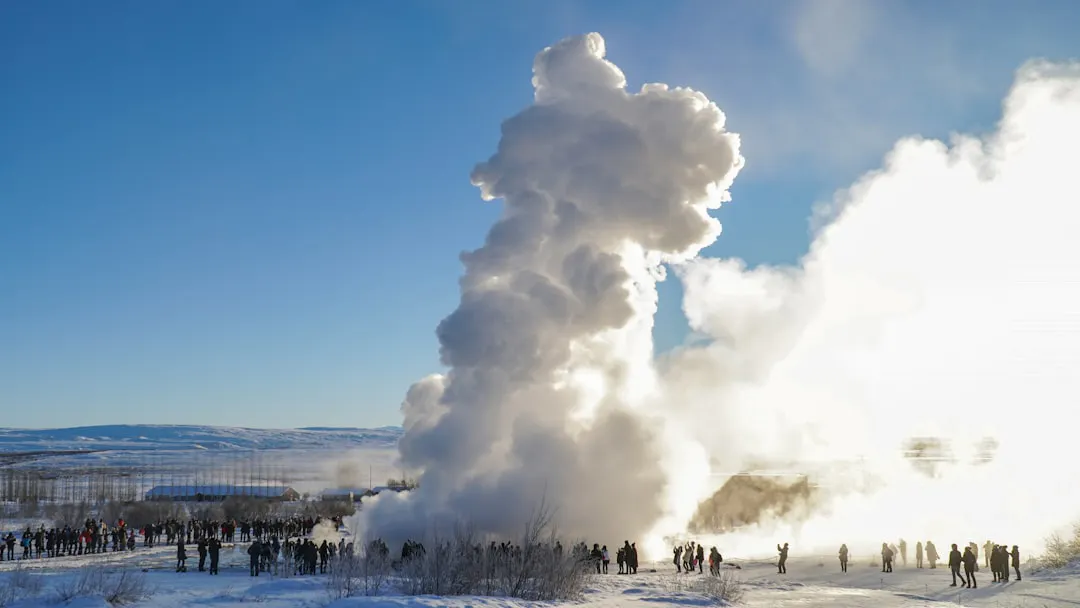
Strokkur erupts every 5-10 minutes, blasting boiling water 20-30 metres into the air. You don't need to time your arrival or wait long — just walk up to the edge, keep your distance, and it will perform on its own schedule. It's one of the few natural spectacles in Iceland that genuinely delivers every single time.
The geothermal area sits in the Haukadalur valley, roughly 100 kilometres east of Reykjavík — about a 90-minute drive on Route 35. It's a standard stop on the Golden Circle route, which also takes in Þingvellir National Park and Gullfoss waterfall. Most tour buses roll through in the morning, so if you're driving yourself and can arrive before 9am or after 4pm, you'll have the area noticeably quieter.
The Difference Between Geysir and Strokkur
The area is called Geysir — named after the original Great Geysir that gave every geyser on Earth its name. That original geyser is mostly dormant now and erupts only occasionally, often triggered by earthquakes or soap poured in during past decades (a practice that's long since been banned). Don't expect it to go off.
Strokkur is the active one, and it's about 40 metres from Geysir. The two look similar — both are vents in a pale silica-ringed pool — but Strokkur is reliably active while Geysir mostly sits still. Watch for the water to dome upward just before an eruption; that's your cue to have your camera ready. Most people miss the shot the first time and catch it on the second or third eruption.
Related experiences


What Else Is in the Area
The surrounding geothermal field is worth more than the 20 minutes most visitors give it. There are a handful of smaller hot pools, steaming vents, and boiling mud pots scattered across the hillside above the main geysers. The water in the pools runs from deep blue to grey depending on mineral content and temperature — some are close to boiling, so stay on the marked paths.
The Geysir Center building next to the car park has a café, restaurant, and a large gift shop. It's functional rather than charming, but the coffee is decent and the toilets are free to use. There's also a hotel on-site if you want to stay overnight and have the geysers to yourself in the early morning.
Allow at least 45-60 minutes here if you want to explore beyond just Strokkur. If you're doing the full Golden Circle in a day, budget your time accordingly — Þingvellir and Gullfoss both deserve proper time too.
When to Visit
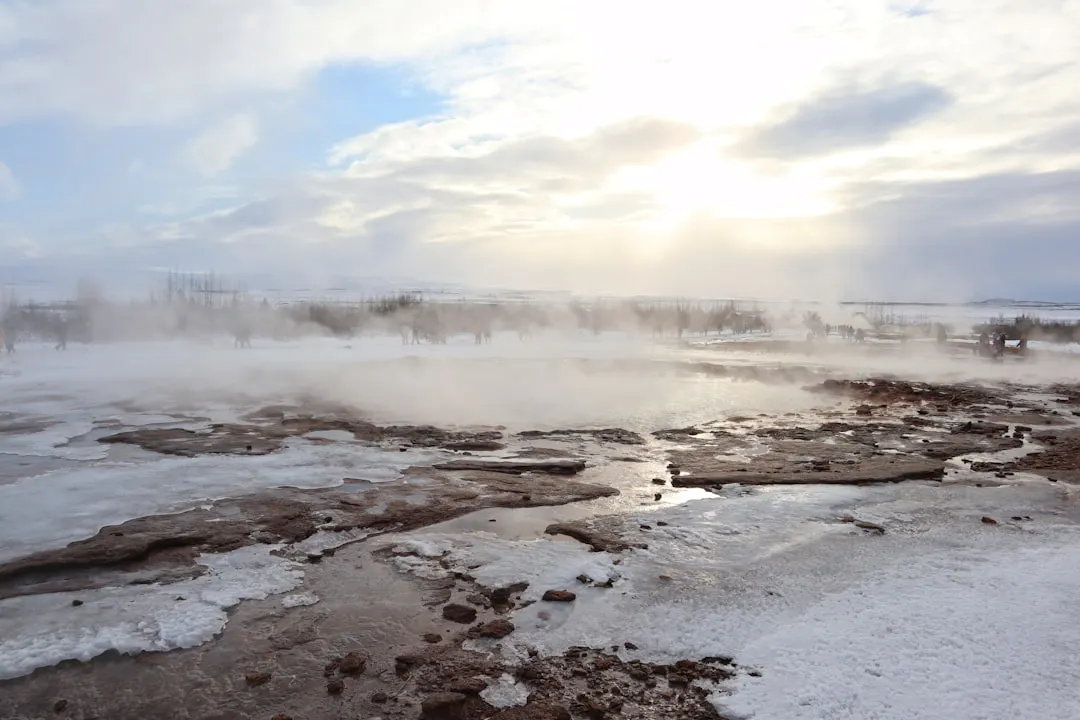
The area is open year-round and the geysers don't care about the season. Winter visits have the advantage of potential snow on the ground and fewer crowds, but the light is limited — you'll have around 4-5 hours of daylight in December. Summer gives you long evenings and the option of visiting late in the day when tour groups have cleared out.
Strokkur erupts regardless of weather, but strong wind can push the steam sideways and drench anyone standing downwind. Check which direction the wind is coming from before choosing your viewing spot.
Tours and Getting There
The Golden Circle is one of the most popular self-drive routes in Iceland, and Geysir is a straightforward stop along the way. If you'd rather not drive, guided Golden Circle day tours from Reykjavík run daily year-round and include Geysir as a core stop. Small-group minibus tours give you more flexibility and time at each location compared to larger coach tours, which tend to stick to tight schedules.
Some tours combine the Golden Circle with extras like snowmobiling on Langjökull glacier or a visit to the Fontana geothermal baths in Laugarvatn, which is about 20 kilometres west of Geysir. If you're already in the area, Laugarvatn is a worthwhile addition — it's a small lake town with a good bakery and the baths sit right on the geothermal beach.
One practical tip: position yourself slightly uphill and to the side of Strokkur rather than directly in front. You'll get a cleaner view of the full eruption column without craning over other visitors, and you won't be in the direct steam path if the wind shifts.

