The East Fjords: Why Iceland's Quietest Region Is Worth the Drive
Published
Most visitors skip the Eastfjords entirely. Here's what they're missing — and how to do the drive properly.

The Eastfjords — Austurland in Icelandic — sit about 700 kilometres from Reykjavík, which is exactly why most Ring Road travellers treat them as somewhere to pass through rather than stop. That's a mistake. The region has a completely different feel to the south coast: fewer crowds, actual Icelandic towns that function year-round, and scenery that rewards slow driving rather than quick photo stops.
If you're doing the full Ring Road, budget at least two nights in the Eastfjords. One night is technically doable but you'll spend most of it driving. Coming from the south, the fjords begin properly around Djúpivogur and stretch north to Borgarfjörður Eystri. That coastal stretch alone takes three to four hours to drive at a sensible pace — and you'll want to stop.
The Drive Itself Is the Point
Route 1 through the Eastfjords is one of the most scenic sections of the Ring Road, but the real driving is on the smaller roads that cut into individual fjords. Many of these are narrow, unpaved, and closed or restricted in winter — check road conditions at road.is before you go, every time.
The town of Seyðisfjörður (say-this-fyor-thur, roughly) is worth the 27-kilometre detour off the Ring Road on its own. It sits at the end of a steep fjord and has a working ferry terminal connecting Iceland to mainland Europe. The town has a strong arts scene, a handful of good restaurants, and the blue-painted church that appears on what feels like every postcard of East Iceland. On Tuesdays in summer, the ferry to the Faroe Islands and Denmark departs from here — the arrival and departure is worth watching if your timing lines up.
Related experiences


Borgarfjörður Eystri: The Puffin Capital Nobody Talks About
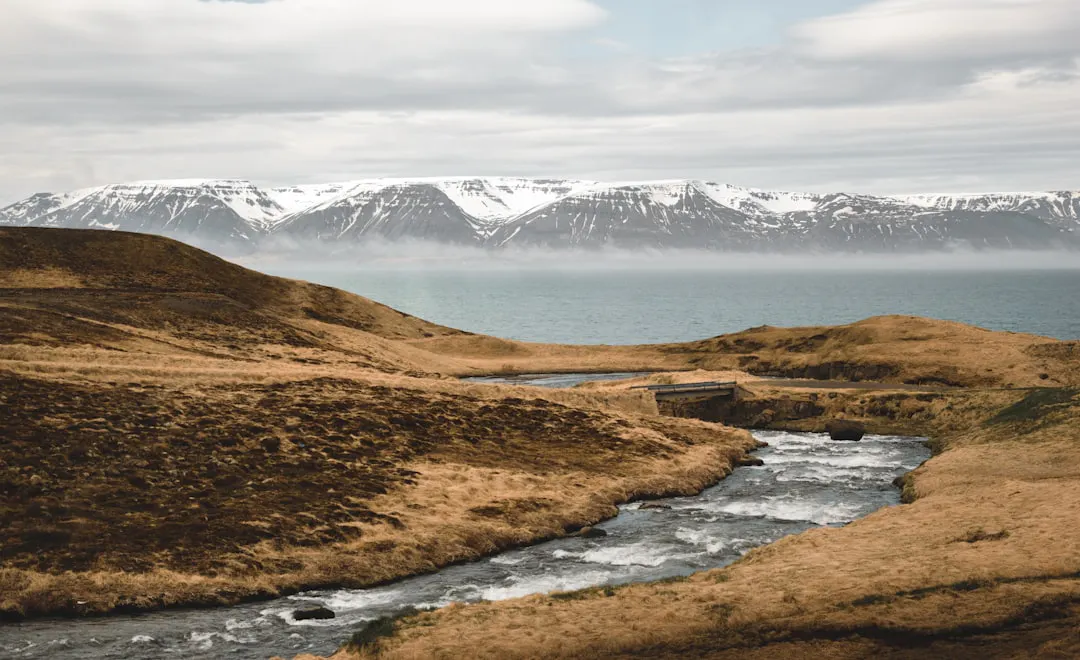
Borgarfjörður Eystri (sometimes called Bakkagerði after the small village there) is one of the best places in Iceland to see Atlantic puffins up close, and it sees a fraction of the visitors that Látrabjarg gets on the Westfjords. The colony nests on a small headland right next to the harbour — you can walk out to the viewing area in about five minutes from the car park. Puffins are present from around May to mid-August.
The drive to Borgarfjörður Eystri from the Ring Road is about 70 kilometres on a road that includes some unpaved sections. Check whether it's open for your vehicle type before committing — it's not always accessible for 2WD cars in poor conditions. The landscape on the way in is genuinely different from the rest of Iceland: pink rhyolite mountains around Brúnavik give the hills an almost reddish tint that you won't see elsewhere.
Djúpivogur and the Egg Sculpture
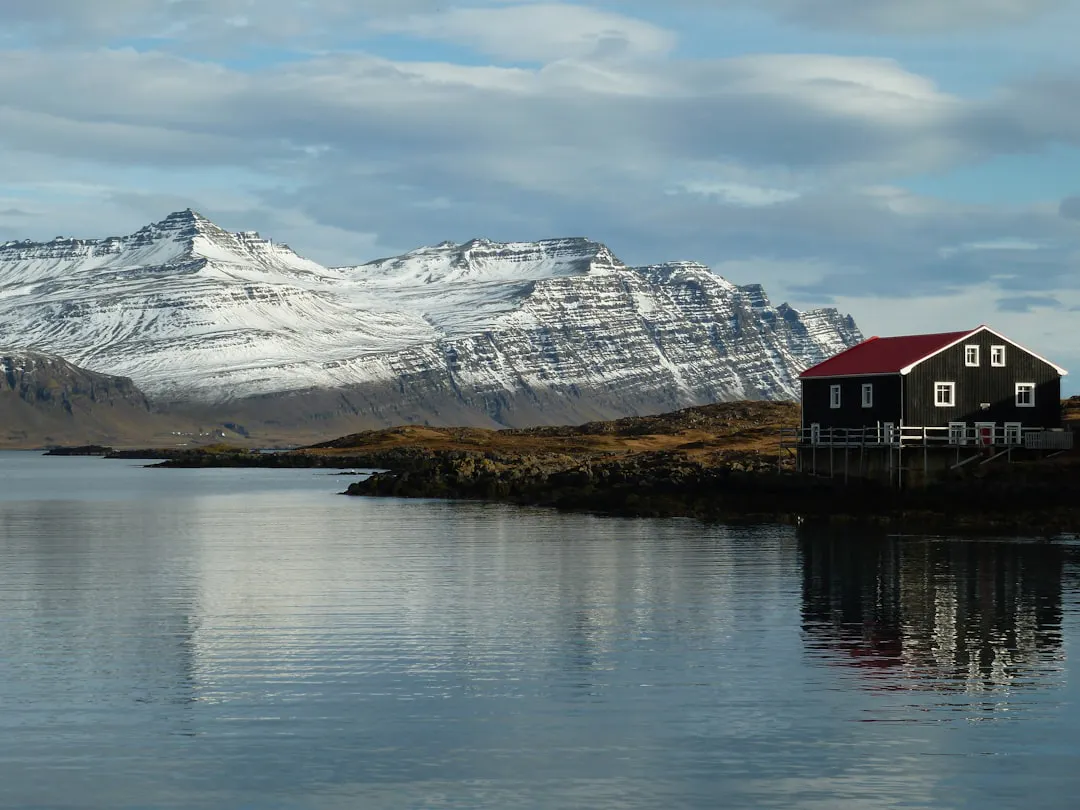
Djúpivogur is a small fishing village at the southern end of the Eastfjords, and it's a good place to stop for fuel and food before or after tackling the fjord roads north. Down by the harbour there's an outdoor sculpture installation called Eggin í Gleðivík — 34 large granite eggs, each representing a bird species that breeds in the area. It's free to walk around and takes about 20 minutes. Simple idea, well executed.
The area around Djúpivogur also gives access to Papey island, a small uninhabited island with a history of early Irish monks and a significant puffin and eider duck population. Boat tours run to Papey in summer from Djúpivogur harbour — check locally for current operators and schedules as these can change season to season.
Where to Stay
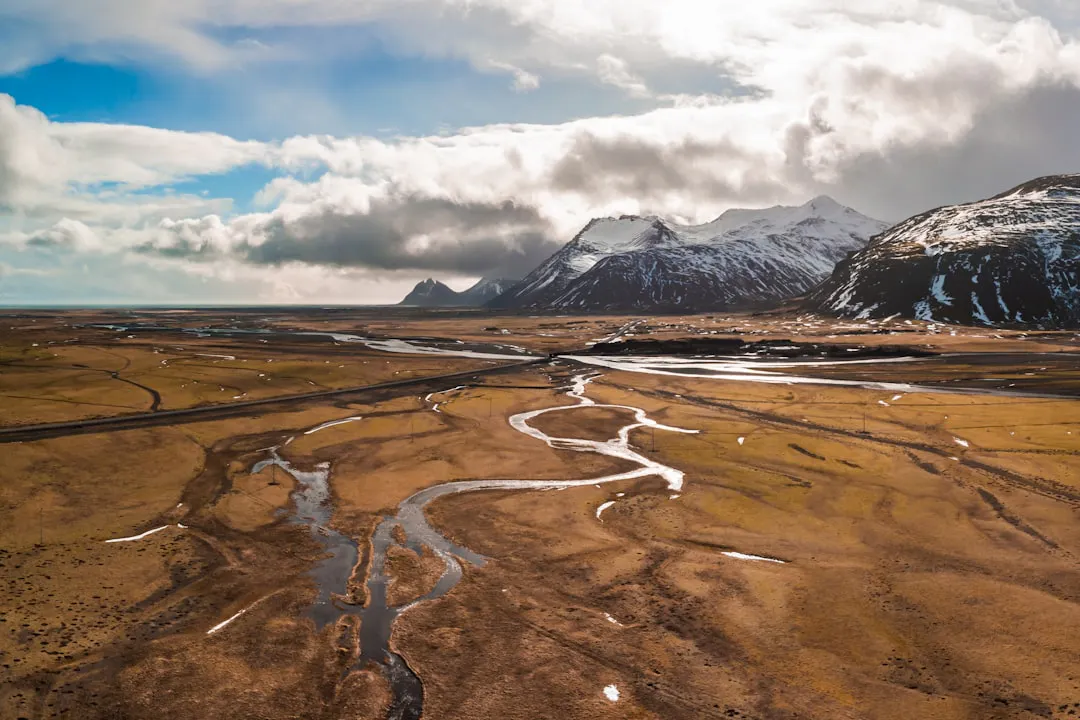
Accommodation in the Eastfjords is limited compared to the south coast, so book ahead — especially in July and August. Egilsstaðir is the largest town in the region and the most practical base if you want a central location. It's not the most atmospheric place in Iceland, but it has hotels, a supermarket, and sits at the junction of several key roads into the fjords.
For something more memorable, small guesthouses inside the individual fjords — around Seyðisfjörður, Eskifjörður, or Mjóifjörður — put you much closer to the landscape. Just know that some of these involve long drives on gravel roads to reach anything else, so plan your days accordingly.
Practical Notes
The Eastfjords are driveable year-round on the main Ring Road, but several of the fjord roads close or become 4WD-only in winter. October through March brings significantly shorter daylight hours and the realistic possibility of road closures after snowfall. Summer — particularly June through August — gives you the best access and the puffin colonies at their peak.
Mobile coverage is patchy in some of the deeper fjords. Download offline maps before you leave Egilsstaðir. Fuel stations are spread out, so fill up whenever you have the chance rather than assuming the next town will have one.
If you're short on time and choosing between the Westfjords and the Eastfjords, the Westfjords are more dramatic and more remote. But if you're doing the full Ring Road and treating the Eastfjords as a box to tick, you're selling them short. Slow down, take the side roads, and give it two days. You'll be glad you did.

