Best Time to Visit Iceland: A Month by Month Guide
Published
From the midnight sun to dancing northern lights, discover exactly when to visit Iceland for the experience you're dreaming of.

I'll be honest with you — when someone asks me 'what's the best time to visit Iceland?' I have to resist the urge to say 'yesterday.' Because the truth is, Iceland is one of those rare destinations that genuinely delivers something magical in every single month of the year. But that doesn't mean timing doesn't matter. The Iceland you experience in January is a completely different beast from the Iceland you'll find in July, and knowing the difference could make or break your trip. So let's break it down, month by month, so you can plan the adventure that's actually right for you.
Winter in Iceland (November – February)
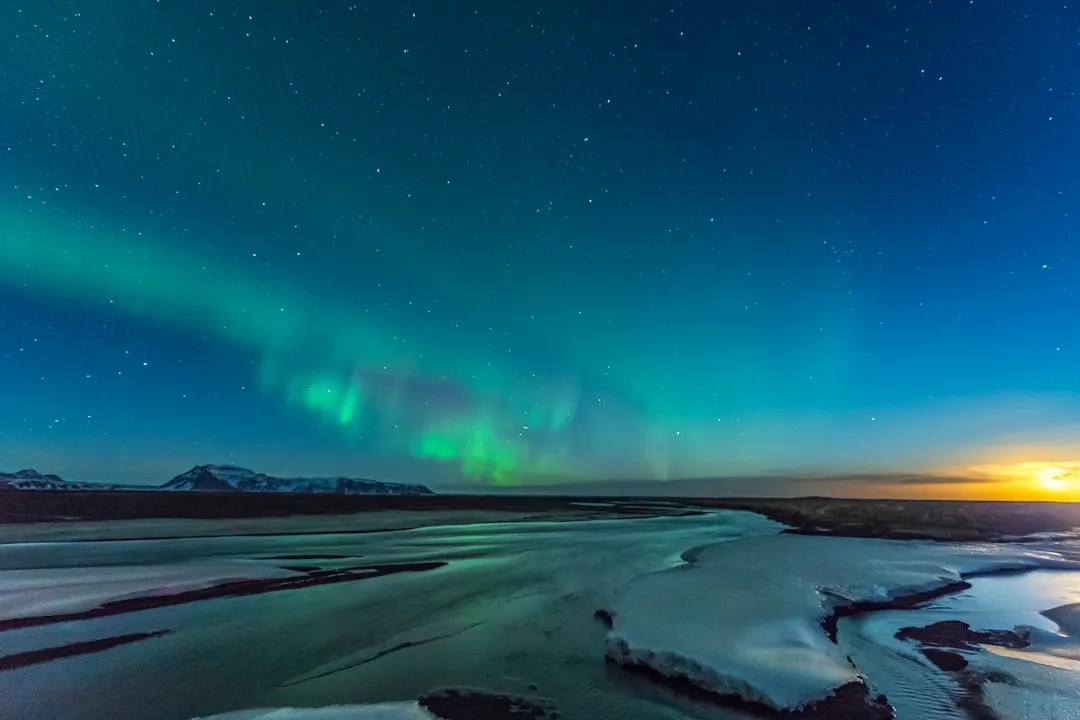
If the northern lights are the reason you're making this trip, then this is your window. The long, dark nights and frequent clear skies between November and February give you the best statistical chance of seeing the aurora borealis dance across the sky. I'd strongly recommend booking a dedicated northern lights tour with a local guide who can read the forecast and chase clear skies away from Reykjavík's light pollution — heading out toward the Snæfellsnes Peninsula or the Reykjanes Peninsula dramatically improves your odds. Don't just wait outside your hotel and hope for the best.
Winter is also the only season when you can explore Iceland's legendary ice caves. The natural ice caves beneath Vatnajökull glacier — Europe's largest glacier — are only stable enough to enter safely from around November through March. These brilliant blue caverns are unlike anything else on the planet, and booking a guided ice cave tour from Jökulsárlón glacier lagoon should be at the very top of your winter itinerary. Spots fill up fast, so book well in advance.
The trade-off? Daylight is scarce (we're talking four to five hours in December), roads can be challenging, and some highland routes are completely closed. Dress in serious layers — thermals, wool mid-layers, a windproof outer shell — and always check road conditions on road.is before you drive anywhere.
Related experiences


Shoulder Season: Spring (March – May)
March is a sweet spot that more travelers are starting to discover. You still get decent northern lights visibility in early March, the ice caves are often still accessible, and the days are noticeably longer than deep winter. By April, you're getting eight to ten hours of daylight, snow-capped mountains are starting to thaw, and the landscape shifts into something dramatic and moody — waterfalls like Seljalandsfoss and Skógafoss run absolutely wild with snowmelt.
May is genuinely one of my favourite months in Iceland. The tourist crowds haven't fully arrived yet, accommodation prices are more reasonable, and you start to see the first hints of the midnight sun approaching. Puffins begin arriving on the Westfjords and Vestmannaeyjar (the Westman Islands) in May, making it a brilliant month for birdwatching. Whale watching tours also kick off in earnest around Húsavík in northern Iceland — humpback whales start appearing in the bay and the season runs through October.
Summer in Iceland (June – August)
This is peak season, full stop. The midnight sun is the headline act — around the summer solstice in late June, the sun barely dips below the horizon, meaning you can hike at midnight in broad daylight. It sounds surreal because it is. The famous Laugavegur trail, a multi-day trek through volcanic highlands, rhyolite mountains, and geothermal fields, is only accessible in summer and draws hikers from all over the world. Book your hut accommodation on this trail months ahead — it sells out.
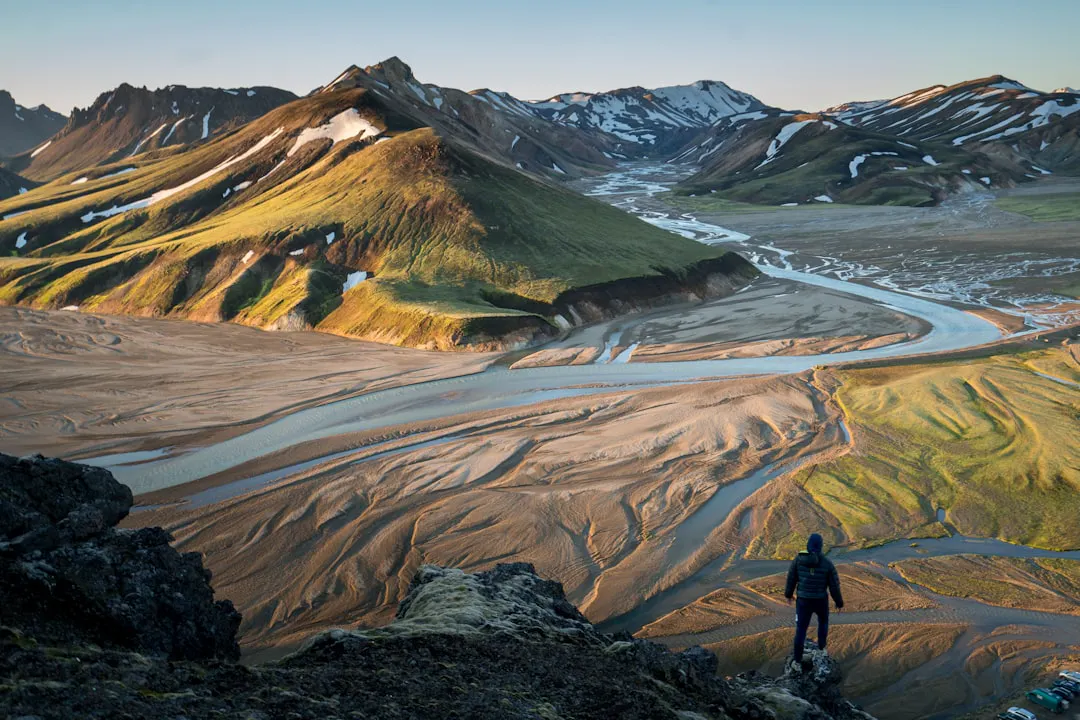
Summer also means all roads are open, including the famous highland routes like the F-road to Landmannalaugar with its otherworldly coloured mountains. Glacier hiking on Sólheimajökull is available year-round but is particularly popular in summer — if you've never strapped crampons on and walked across a living glacier, it's a genuinely humbling experience. Whale watching is in full swing, puffin colonies are active, and you can white-water raft on the glacial rivers near Varmahlíð in the north.
The honest downside: crowds and prices peak in July and August. Reykjavík's iconic Golden Circle — Þingvellir National Park, the Geysir geothermal area, and Gullfoss waterfall — can feel overwhelmingly busy midday. My tip? Do these sites early morning or late evening. The light is better anyway.
Shoulder Season: Autumn (September – October)
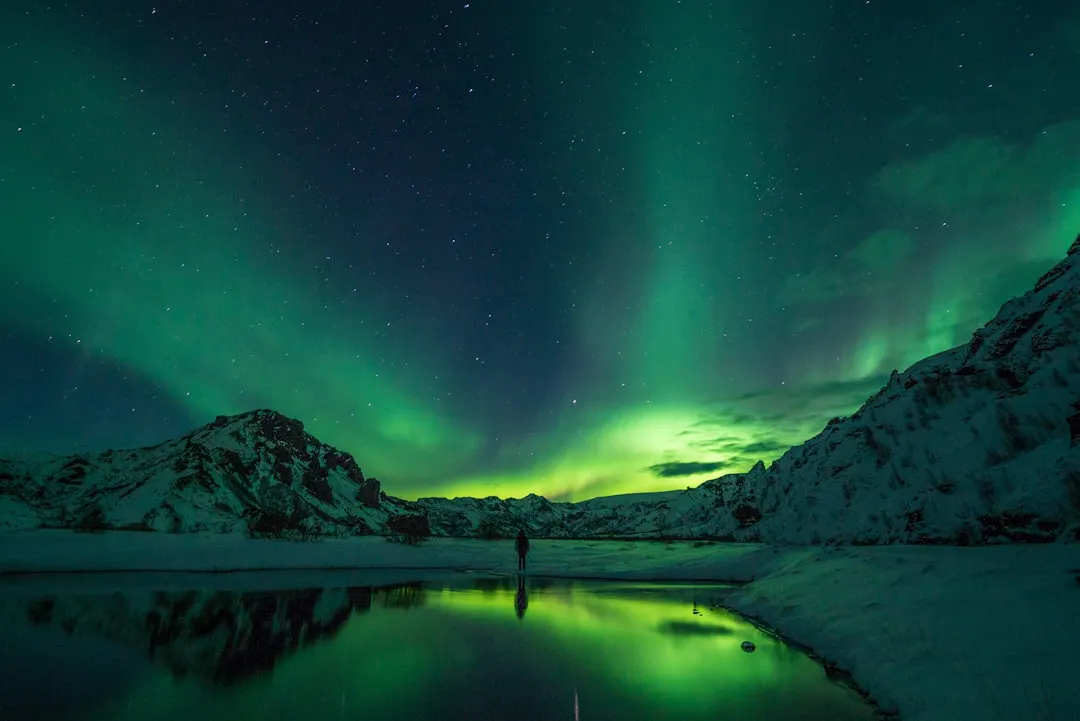
September might actually be the most underrated month in Iceland's entire calendar. The summer crowds have thinned, prices drop noticeably, and the landscape transforms into something breathtaking — golden birch trees, rust-coloured moorlands, and the first dustings of snow on the mountain peaks. The northern lights season kicks back in as the nights get longer, and September skies are often clearer than winter months.
October brings the first real cold and the possibility of early snowfall, but it also brings some of the most dramatic atmospheric conditions I've ever photographed. Whale watching is still running from Húsavík through October, making it one of the last chances to combine wildlife tours with early aurora sightings on the same trip.
So, When Should YOU Go?
Here's my honest summary: go in winter (November–March) if the northern lights and ice caves are your priority. Go in summer (June–August) if you want the midnight sun, hiking, and maximum accessibility. And seriously consider September or May if you want a balance of good conditions, lower prices, and fewer selfie sticks in your shots.
Whatever month you choose, Iceland will surprise you. The weather changes faster here than almost anywhere I've traveled — you can genuinely experience sunshine, a hailstorm, and a rainbow within the same hour. Embrace it, pack for everything, and let the island do its thing. It never disappoints. 🌋

