Icelandic Food: What to Eat and Where to Find It
From lamb soup to skyr, here's what Icelandic food actually tastes like and where to eat it without overpaying.

Icelandic food has a reputation for being either terrifyingly exotic (fermented shark, anyone?) or boringly plain. The truth is somewhere more interesting. The everyday food here is built around a handful of genuinely excellent ingredients — lamb, fish, dairy, and root vegetables — and when those ingredients are treated well, the results are hard to beat.
Most visitors spend a week eating well without ever touching hákarl (the fermented Greenlandic shark that smells exactly as bad as you've heard). That said, if you want to try it, you should — just do it as a shot-sized bite at a food hall, not as a main course.
The Staples Worth Knowing About
Related experiences


Lamb
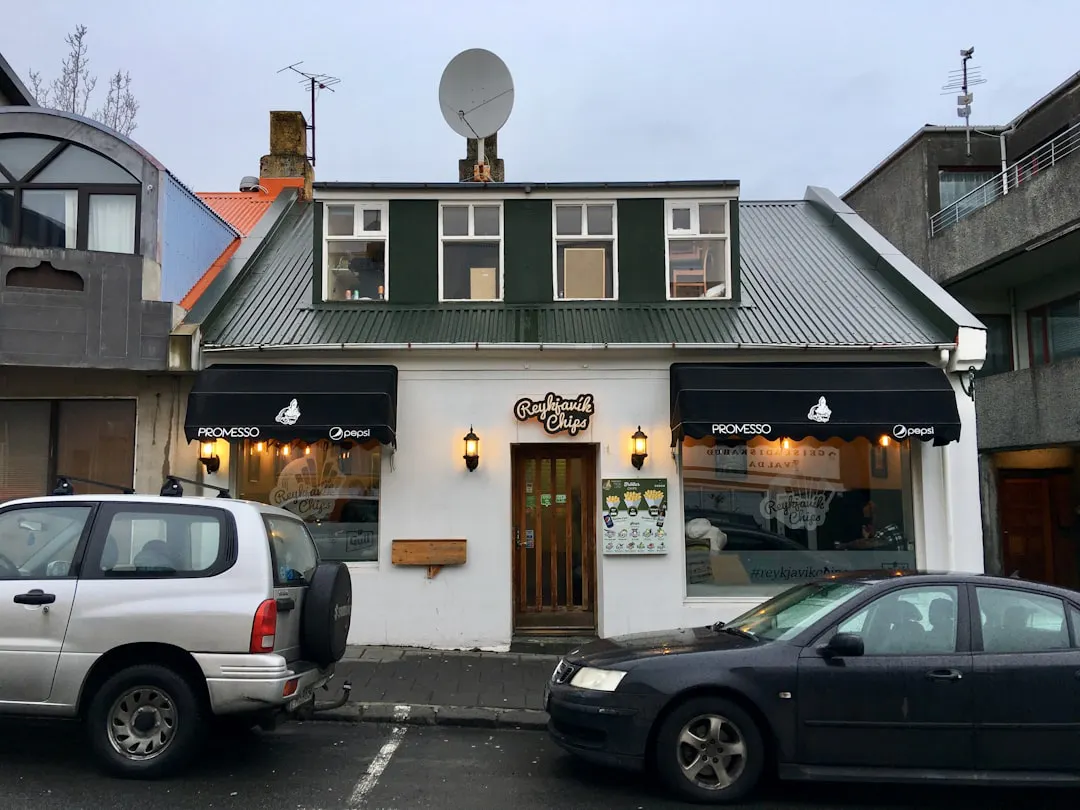
Icelandic lamb is the ingredient locals are most justified in being proud of. The sheep roam free in the highlands all summer, grazing on wild herbs and grasses, and the meat is noticeably leaner and more flavourful than what you'd find in most supermarkets back home. You'll find it in kjötsúpa (lamb soup — a simple, filling broth with root vegetables) at almost every traditional café, and it's usually the cheapest hot meal on the menu. It's also the right thing to order when you're cold and tired after a long day driving the Ring Road.
Skyr
Skyr (say it: skeer) is technically a fresh cheese, though it's eaten like a thick yoghurt. It's been made in Iceland for over a thousand years and is genuinely high in protein and low in fat. You'll find it in every supermarket and petrol station in the country — Bonus and Krónan stock dozens of varieties. Eat it plain with a spoonful of jam, or buy the single-serve pots with berries already in. It's also a solid breakfast option if you're self-catering.
Fish
Iceland catches and exports cod, haddock, Arctic char, and langoustine, among others. The fish is fresh in a way that's hard to replicate anywhere that isn't sitting directly on the North Atlantic. Plokkfiskur — a baked fish and potato mash — is the dish most Icelanders grew up eating and it's worth trying at a traditional restaurant. Langoustine is genuinely excellent here and shows up on menus across the country, particularly in the south.
Where to Eat in Reykjavík
Reykjavík's food scene has expanded significantly in the last decade, and you can eat very well without spending a fortune if you know where to look.
Hlemmur Mathöll
Hlemmur Mathöll is Reykjavík's main food hall, located in the old Hlemmur bus terminal in the east end of the city centre. It has around a dozen vendors serving everything from fresh fish tacos to lamb skewers to natural wine. Go for lunch on a weekday and you'll avoid the weekend crowds. It's a good place to graze across several things rather than committing to one sit-down restaurant.
Bæjarins Beztu Pylsur
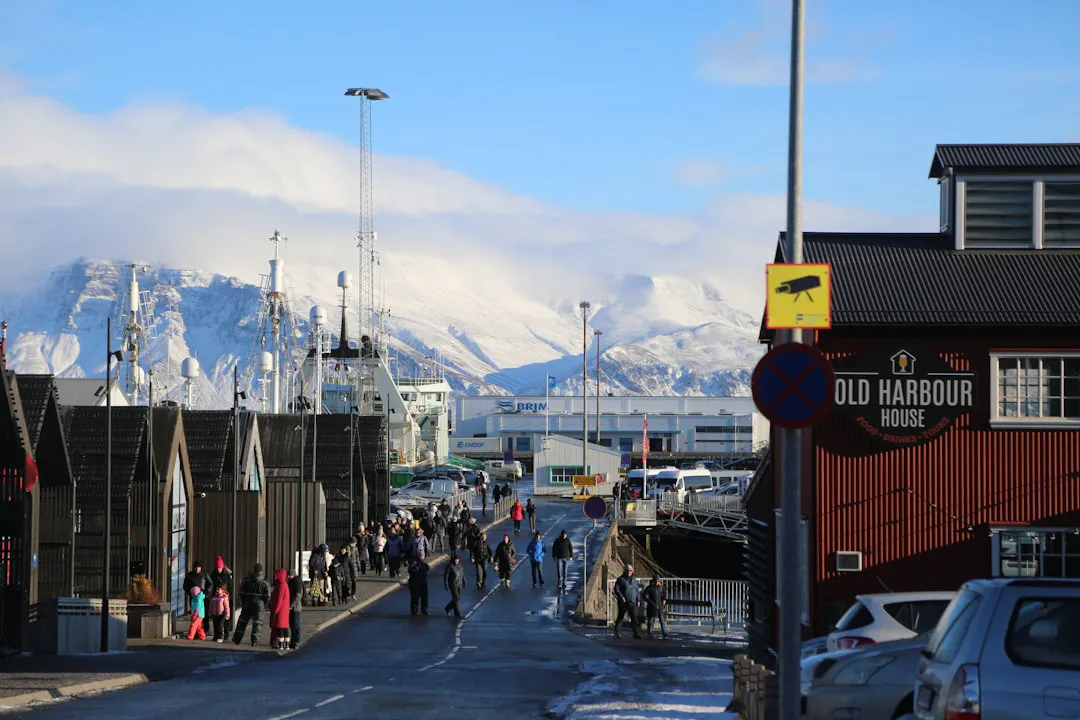
If you're going to eat one thing in Reykjavík that costs under a thousand króna, make it a hot dog from Bæjarins Beztu Pylsur. The stand has been operating near the harbour since 1937. The pylsur (hot dogs) are made with a lamb and pork mix and are served with raw onion, crispy fried onion, mustard, ketchup, and remoulade. Order it 'með öllu' — with everything. There's usually a short queue and it moves fast.
Caruso and Messinn
For a proper sit-down fish meal, Messinn in the city centre is reliable for fresh catch served in cast-iron skillets. It's popular and books up quickly, so reserve a table if you're going for dinner. For something more casual with solid Icelandic fish and lamb dishes, Caruso on Þingholtsstræti has been a local favourite for years.
Eating Outside Reykjavík
Food options thin out significantly once you leave the capital, which is worth planning for. Most small towns along the Ring Road have one or two restaurants, often attached to a guesthouse or petrol station. The quality is variable.
The N1 and Orkan petrol stations are your friends on long drives. They stock sandwiches, skyr pots, soup, and pastries — including kleinar, a twisted fried dough pastry that's worth trying once. Pylsur are also available at most stations.
If you're travelling the South Coast, the town of Vík has a couple of decent options including the Sudur-Vík restaurant. In the Snæfellsnes Peninsula, Ólafsvík and Stykkishólmur both have restaurants worth stopping for.
What to Actually Try (And What to Skip)
Try: kjötsúpa, skyr, pylsur, plokkfiskur, langoustine, Icelandic lamb in any form, and skúffukaka (a simple sheet cake with chocolate icing that appears at every café in the country).
Skip — or at least approach with low expectations: the tourist-facing 'Viking platters' at some restaurants that charge a premium for a novelty experience rather than quality food. They exist, they're expensive, and the lamb you'd get in a simple kjötsúpa is usually better.
Hákarl is worth trying once purely for the experience, but seek it out at Kolaportið flea market or at a tasting event rather than paying restaurant prices for something you'll eat in one bite.
A Practical Note on Costs
Eating in Iceland is expensive by most international standards. A sit-down dinner for two in Reykjavík will typically run to 15,000-20,000 ISK or more before drinks. Lunch is cheaper — aim for food halls, soup cafés, and bakeries if you're watching your budget. Self-catering from Bonus (Iceland's cheapest supermarket chain) is the most effective way to cut costs on a longer trip. Skyr, bread, smoked salmon, and ready-made soups from the chiller section will see you through.
If you're booking a multi-day tour around Iceland, ask your operator which stops have good food options and which don't — it's worth packing snacks for the stretches where your choices are limited to petrol station shelves.

